The unseen side of a presidential debate

By Maria Ramirez Uribe

As I write this, I am sitting on the press risers of Sen. Elizabeth Warren’s watch party at Drake University. 

When a CNN Democratic debate was announced during our time in Iowa I was ecstatic. I knew the chance of getting to sit in the debate room or spending time in the press Spin Room was slim. 

I’m not going to lie, while I was excited to see my classmates get the opportunity to watch the debate live and go into the Spin Room, I was also disappointed that I wasn’t able to. But, our team of journalists and I took the opportunity ahead of us and went on a search for the stories no one else could get. 

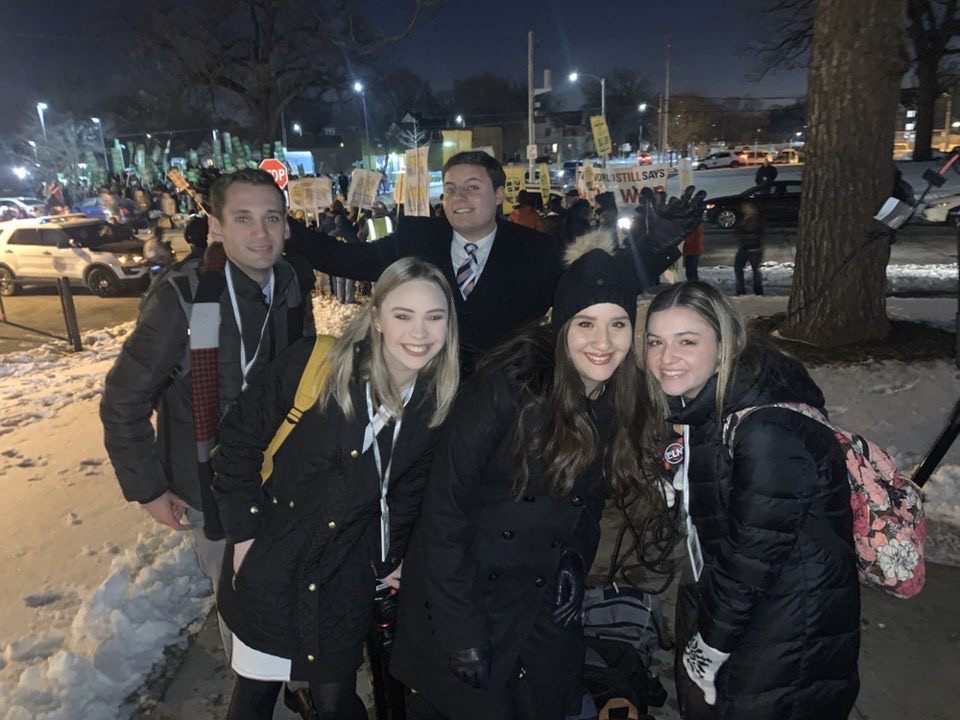
As we pulled into Drake University, it was clear there were multiple protests occurring outside the debate. There we had it, our first story. Covering a Poor People’s Campaign protest while keeping an eye out for the Amy Klobuchar supporters chanting across the street and a car with Trump supporters screaming as they made rounds around the campus was overwhelming but thrilling.

Trying to cover a protest in sub-freezing temperatures was no easy feat, but we got it done. We managed to get b-roll, stills and interviews and turn a story within a couple of hours. I am so proud of our team for taking on the challenge and working to get up a story other news organizations weren’t covering.
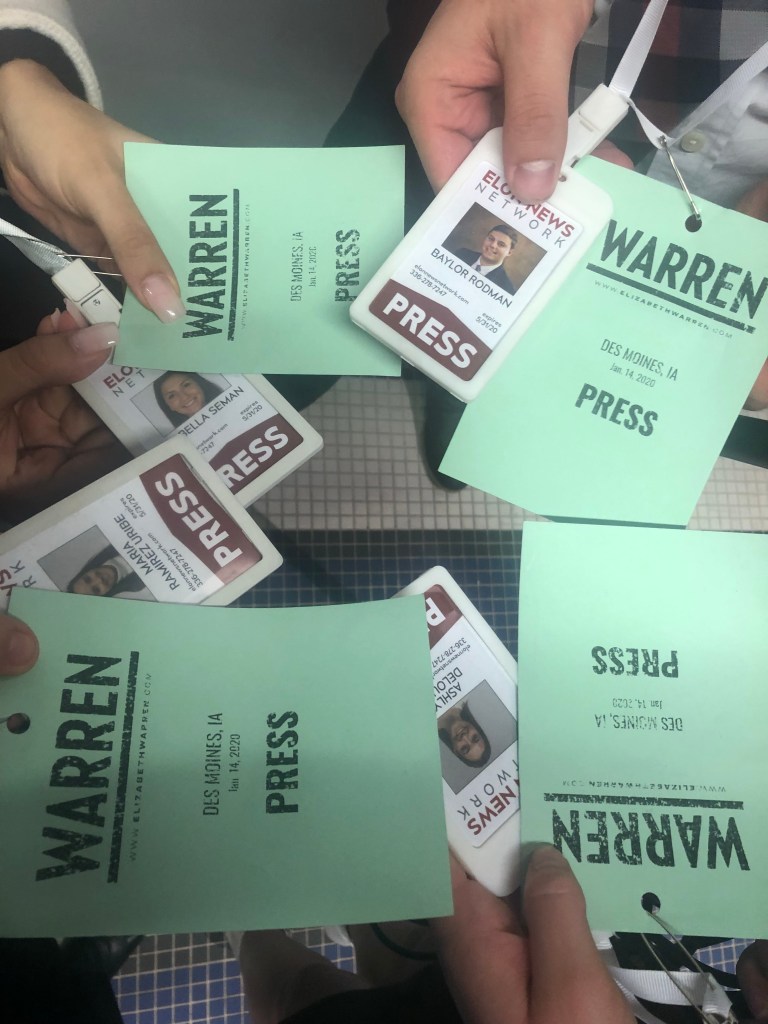
After this, we attended Warren’s watch party. I wasn’t sure what to expect. Little to no press was in the room, it was up to us to soak up the responses in the room and find the story. This was a fascinating experience. The energy and support in the room for Warren were palpable. 

These viewers were invested, audible responses of support and dismay were shared throughout the debate depending on what candidate was talking.

Making the most of every situation is so key, particularly here in Iowa. I’m so glad we were able to cover the protest and Warren’s watch party all while being able to take in the debate and analyze it after having seen the candidates in person.
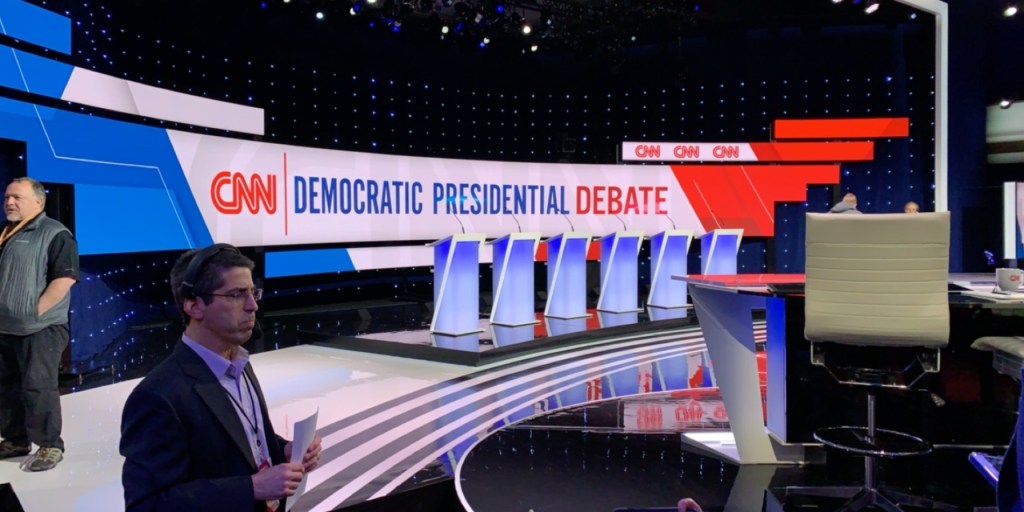
The Room Where It Happens

By Aileen Bell

I promise I was trying to listen to Andrew Yang at his town hall yesterday. I really was. While his ideas don’t seem complete, and I don’t think he’d be a good president, I’m still staying open-minded and willing to hear anyone out. However, that promise flew out the window the moment I received the email that I was invited to the Democratic Presidential Debate. Until 4:15 today when we arrived to Drake University’s campus, it was almost impossible for me to focus on anything else.

We arrived to the campus an hour before doors even opened. After a few rounds of American History Trivia, we were let in and the exciting observations of the evening began. To start the night, we had a conversation with a man who was a firm Joe Biden supporter but was hoping to still have an open mind this evening. I continued to think about that conversation through the night as I listened to the candidates but continued to think the best answers were from my top choice Senator Elizabeth Warren. These conversations continue to remind me that we all have our biases and will probably revert back to them even when we’re trying to give another candidate a fair chance.

The most interesting thing, though, about being in the room as the debates happened was watching the nuances of each candidates’ body language that you might not see on camera. Elizabeth Warren spent almost every moment she wasn’t talking writing. Whether it was her thoughts or the words of her opponents, it seemed to reaffirm that she’s the woman with plans who is always thinking and growing. Tom Steyer spent the whole time smiling forward and raising his hand when the urge to talk came over him. This felt like how I feel about his campaign. Not even he really knows what he’s doing here. Biden seemed passive and unassertive, a demeanor many are worried won’t hold up against Donald Trump in the general election. Bernie did what he does best, disrupted to make the points he needed to. I had more trouble seeing Buttigieg and Klobuchar, so I cannot speak to their body language, but I felt as though Pete spent his time staying stoic and calm, reminding us he is the voice of reason. These are not observations I’ve ever been able to make just watching the debates on the TV.

I am so thankful for the opportunity Elon has granted me with this trip. Tonight was without a doubt one of the best nights of my life, and I had chills the entire time. I don’t know that a debate will ever be as fun to watch. It’s a phrase I always say about my favorite bands. There is no experience like the live show.

Debate, Town Halls, & More

By: Steph Attias

I’d always wanted to see a candidate speak in person, so being Iowa in January of a presidential election year was the perfect place for me to go. In the past five days, I’ve heard presidential candidates Amy Klobuchar, Bernie Sanders, Elizabeth Warren and Pete Buttigieg speak at town halls. Each event has its own flair and style. Warren’s event felt intimate as it was packed with people in an elementary school gym, similar to the one in my hometown. Buttigieg’s event had a more high end, celebrity feeling with him on stage and hundreds of people around him standing on the floor. Sanders’ and Klobuchar’s events had what felt like fewer people and more room in the event space. However, each of these town halls gave me the true Iowa retail politics experience. Each speaker made a case for their candidacy and for the most part, I walked out feeling like they could be a candidate I would support in the general election. For now, however, my heart is still set on supporting Pete Buttigieg in the primary.

However, it’s important to note in a town hall there is a lack of push back as the candidate has a large amount of control over the setting. They choose the venue, set up, and sometimes even the questions asked. However, there are still elements of unpredictability, especially from a candidate who takes random audience questions and other situational factors.  For example, at Buttigieg’s town hall there was an unexpected medical emergency, a Black Lives Matter protest, and a woman with a free Palestine sign. 

Yet, as a contrast, primary debates are not in the candidate’s control. They need certain funding and polling requirements to get in, they don’t know the questions in advance, and are unable to fully control their speaking time, as the moderators choose who to call on, and on top of all of this, the event is live. In this setting, they are also vulnerable to attack from other candidates and push back from the moderators. While these candidates prepare vigorously for debates, there is still the ability for a surprise. What I’m looking most forward to in the debate tonight is the push back from other candidates and moderators asking pointed questions. In this setting flaws and issues in other candidate’s plans which are not mentioned in their respective town halls are highlighted and the candidates have the opportunity to explain and clarify. I’m so excited to be attending the debate tonight and experience this event in person!

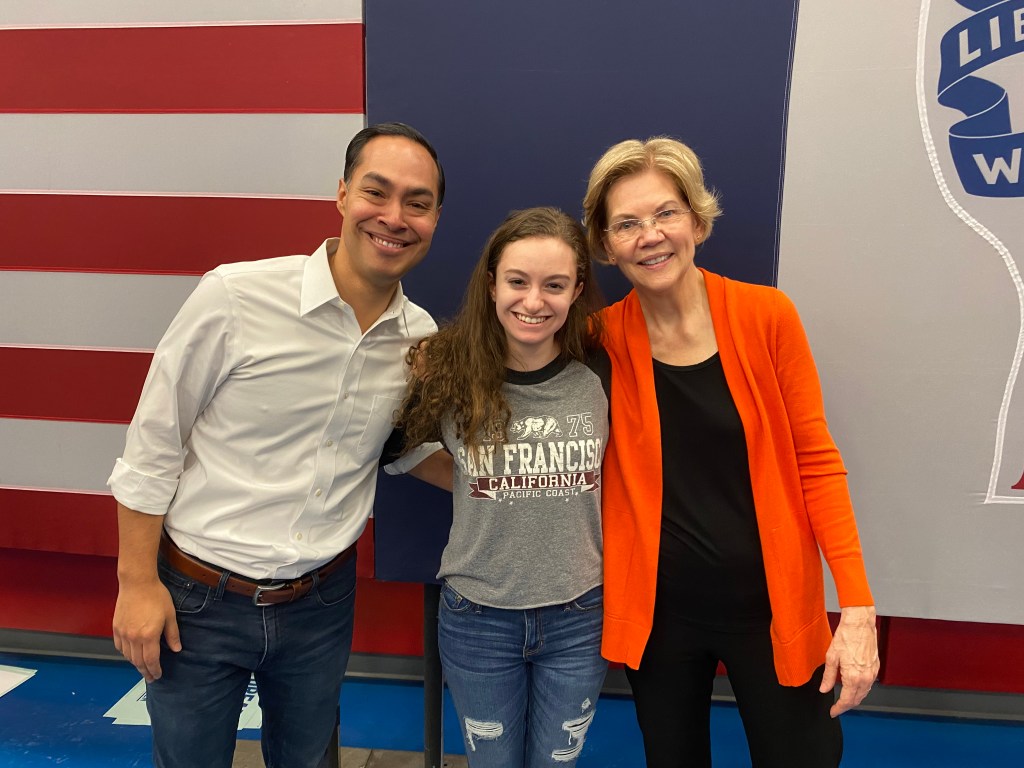
Photo taken at Elizabeth Warren’s Town Hall with special guest Julian Castro
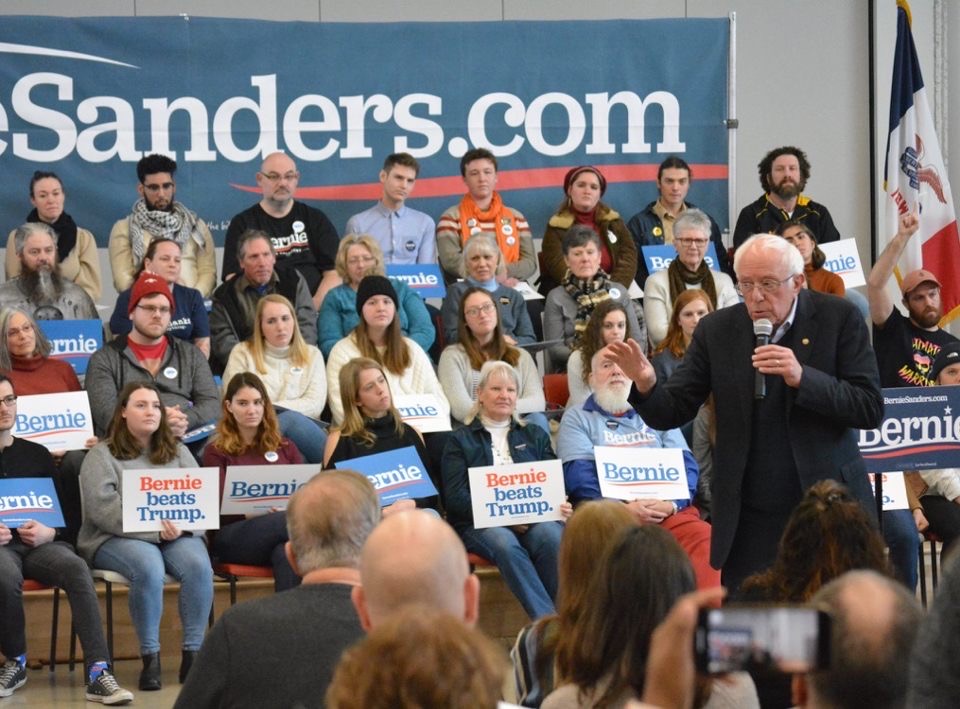
Bernie Sander’s Town Hall where several class members got the opportunity to sit behind him and be on camera
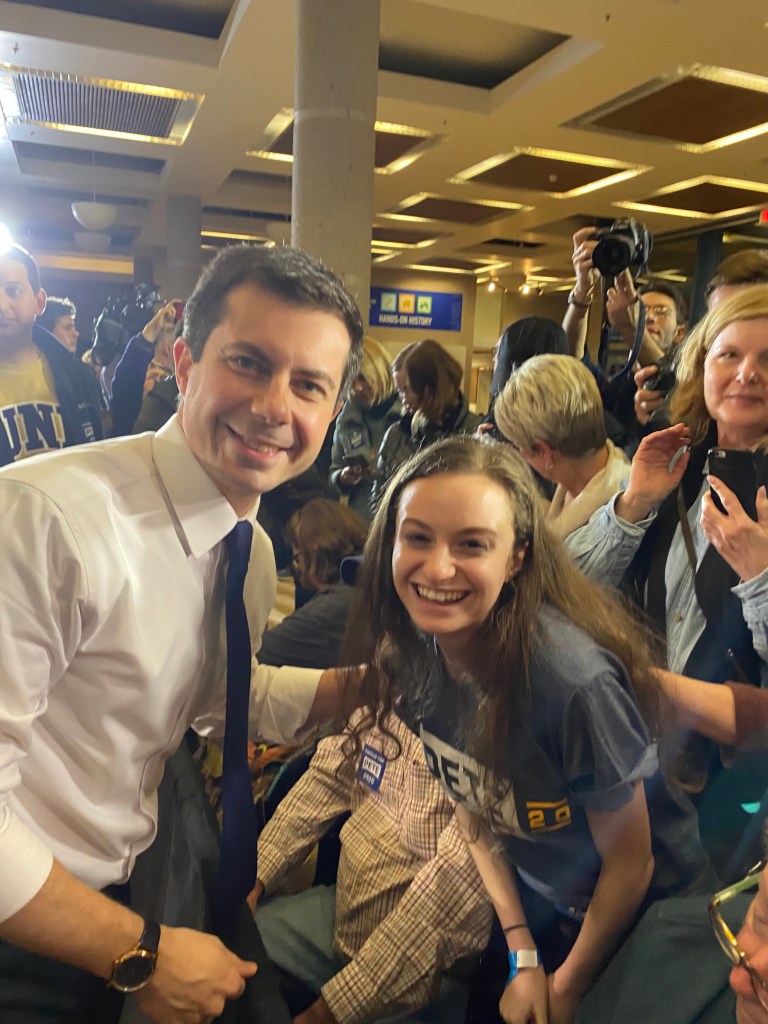
Photo with Pete Buttigieg after his Town Hall
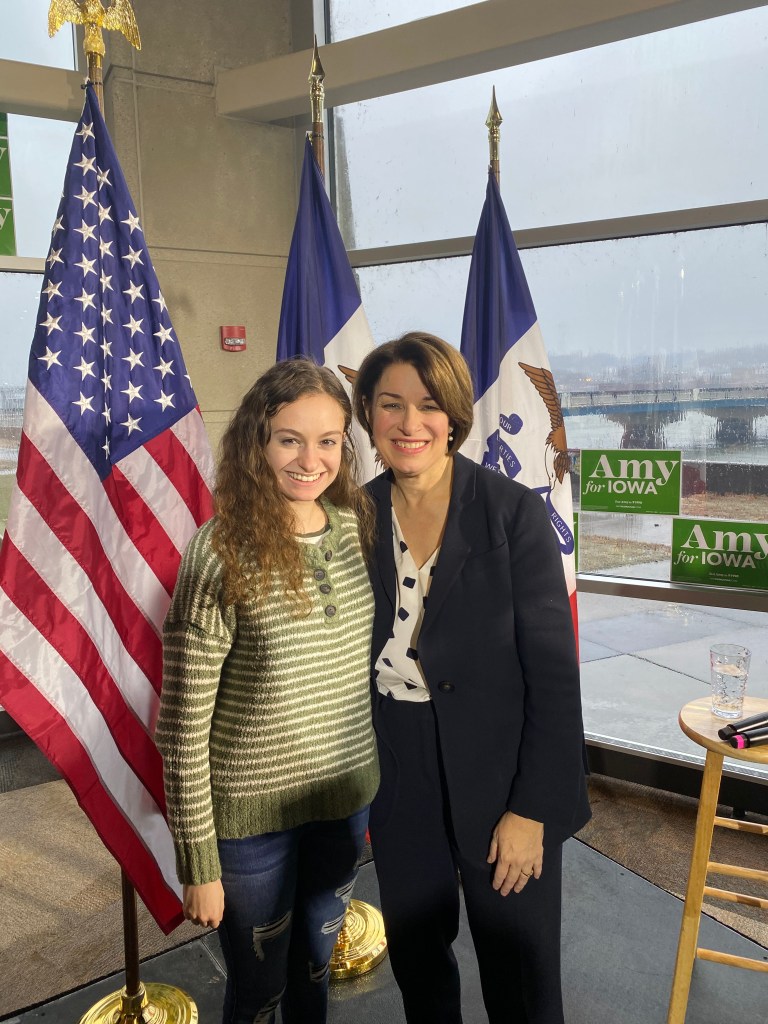
Photo with Amy Klobuchar after her Town Hall

On Professional Excitement and Jealousy

By Emery Eisner

As dramatic as it may seem, this trip has been the most exciting and (conventionally) important thing I have ever done. For someone not even two decades old that’s not super surprising, is it? Iowa is the farthest from home I have ever been, and I have been in very close proximity with people that– president or not– will change the history of this nation and the world. 

It’s intoxicating.

But while seeing all these CNN executives and reporters from around the world and presidential candidates has been quite the adventure, there is one detail I can’t help but notice: of all the sheer power surging through the air in this hotel lobby (where I currently sit, typing away next to a group of rowdy reporters), it is overwhelmingly male.

And don’t get me wrong, men are just fine. But let’s face it, I’m from a college where 60% of the undergraduates are female. I’m not used to all this.

So I’ve always heard about professional jealousy and feeling subdued as a woman in journalism, but because of my incredible privilege to attend Elon, rarely have I felt it in person. Today I heard the words “advocate for yourself,” and I’m promising myself that I will take that to heart. Especially against the backdrop of Morgan Radford’s sage words of inspiration last night, I can’t afford to continue on a path of self-doubt. And as I move forward into the debate tonight, I won’t.

Tune in to my coverage tonight to see how I do.

Failing Forward

By: Sallie Hardy

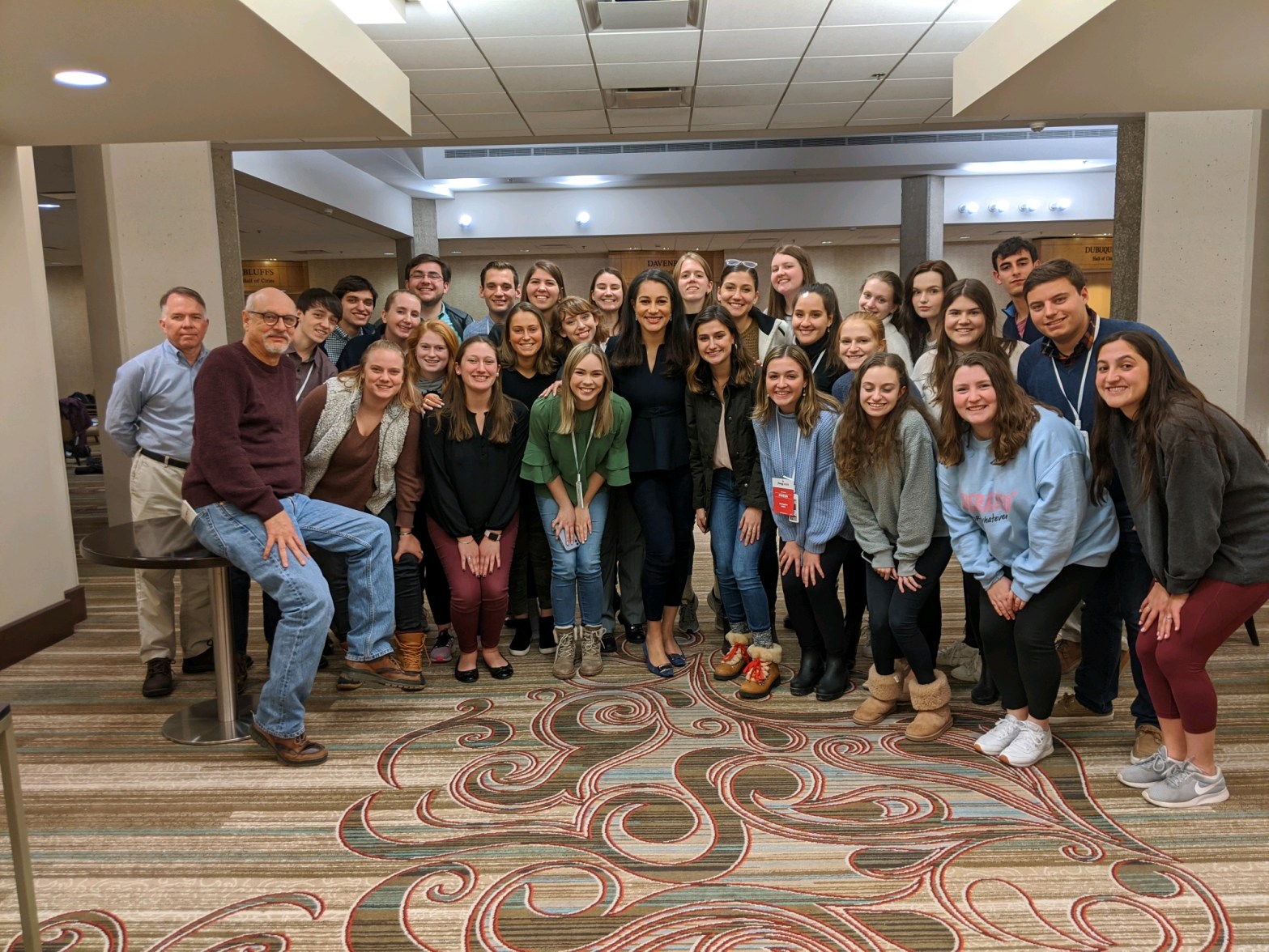
Last night, our class had the opportunity to speak with Morgan Radford who is possibly the coolest and funniest person I have ever met.  Radford works as a correspondent for NBC News, and she described herself as constantly living out of her suitcase and having few close friends. 

While talking to us, she highlighted stories of her failure and rejection. After attending Harvard, she lived in Atlanta and began to build her video reel. She was rejected from Columbia graduate school and instead went to South Africa on a Fulbright Scholarship. After that, she began re-teaching herself the art of journalism, and she was eventually accepted into Columbia. 

Radford told us many more stories about being rejected and how hard it was for her. Our class was curious to know how she kept moving forward instead of settling or giving up. Radford said her father would tell her to “fail fast, fail often, and fail forward.” Wow. Dealing with failure is difficult for anyone, but her father seemed to crack the code: fail forward

I started thinking about the concept of failing forward as it pertains to the presidential candidates. All politicians have their flaws (and they often have many). Imagine if they were able to use those failures to progress themselves forward instead of allowing those failures to hurt their political careers. Politicians should allow failures and mistakes to shape future policies and actions by using these failures as stepping stones to something better. 

And we, the public, should allow them to do this. 

Sunday night, many people from our class attended a Pete Buttigieg town hall. Overall, he was well-spoken, professional, and just so smart. The way he can speak WITH an audience instead of AT an audience is an amazing skill. I saw many supporters in tears as they clearly felt everything he was saying. Although he was able to bond in this way with his supporters, he definitely has people who dislike him. Near the beginning of the town hall, there was a protest that interrupted his well-rehearsed speech. While many of the protesters yelled “Black Lives Matter”, one man had a conversation with Buttigieg. At first, the man was spewing some inaccurate facts, and Buttigieg did call him out on this. Buttigieg then bent down to him, setting down his microphone to have a private conversation. Although I don’t know what they said to each other, I can only hope it was helpful rather than rash words from both sides. 

Buttigieg continued his town hall as normal once the protesters were escorted out, and he did say that he wants to have meaningful and constructive conversations with his protesters. Audiences rarely get to see a true back and forth dialogue between candidates and protesters, and people are often unwilling to allow candidates to grow and change as they gain knowledge and experience. We should allow Buttigieg to acknowledge and use his past failures as a way to talk about what he will do to help people of color. He needs to be completely honest and transparent about his mistakes in the past to fail forward.

She dreamt she could, so she did.

By: Ashlyn DeLoughy

One thing this trip has really taught me so far is the demands of this career, which obviously I knew about, but you don’t quite understand it until you 1) experience it and 2) talk to professionals in the field. I am quite literally starstruck by the amounts of staffers, reporters and executives of the major networks, who are not only staying in our hotel, but are also taking to the time to speak with us about their experiences in the field. However, while I’m in awe, all of these conversations and successful figures have made me question so much about my passion for journalism. Now, it’s not a question of if it’s there. It’s a question of do I have what it takes. 

Today, we had the amazing opportunity to meet Morgan Radford (yes I just said Morgan Radford). For those that don’t know, Radford is an NBC News correspondent. To make a long story short, Radford didn’t have the easiest journey into her journalism career. Instead, for her it was rejection after rejection after rejection, but nonetheless she persisted. Radford began teaching herself everything she could before finally getting accepted into grad school. And I guess what it comes down to is even at the lowest of lows you have to gracefully persevere. 

I experience insecurities in both of my majors: dance and journalism. However, I didn’t realize until today how similar those insecurities are. I didn’t realize until today how similar the two worlds truly are. Both are competitive and intense. Both have you traveling all over the country from hotel to hotel, catching 3:00 a.m. flights and make it very difficult to have a personal life. Most importantly, both potential careers have this pressure to “make it” in the industry.

I say this because it all comes down to who I am as a person. Me, the motivated and curious, journalist/dancer is passionate about the world and all the people in my life. I care about both careers because at the end of the day I get to do something no other job does: I get to bring new perspective into people’s lives and inspire them to do something that outlives them. I get to encourage people to be both vulnerable and honest, because when people are vulnerable you have a better story. “That’s good T.V.” as Radford would say. 

And the best part? You learn the most about yourself within the process. 

I guess what I’m trying to say is that Radford reminded me that amongst all of the intensity and pressures that come with being a journalist, it’s exactly what I want to do. It’s the person who I am. I don’t know what the rest of my college years will bring me, but I do know that I want to be able to tell some of the greatest stories in the world, I want to be able to tell the stories that move the public and serve the common good. 

So at the end of the day, the answer is yes. I absolutely do have what it takes to be in this field. I just need to believe in that and run with it. It’s about to be a bumpy ride, but that never stopped Morgan Radford now did it? 

I didn’t think so. 

Iowa doesn’t ask for access to candidates, it’s demanded

By Kara Chalifoux

Only five days into our trip, we have personally met and interviewed presidential candidates, legislators, and even top journalists. As we are frequently found starstruck during these opportunities, a common saying among our group has become, “only in Iowa.” 

When analyzing the relationship between constituents, politicians, and policy, it is typically explained that lobbying and affluence pay for access to politicians not influence over politicians. Here in Iowa; however, access is never paid for, and it’s not just expected, it’s demanded. 

While the rest of America is lucky to hear that a candidate is campaigning in their state, Iowans uniquely get to call such figures close friends. Not only is policy an important way to determine how people choose to caucus, but seemingly more important is how authentic the candidate is. These Presidential candidates, in addition to former Cabinet members, and current legislators flood into the living rooms, churches, and restaurants of Iowa, seeking to befriend constituents and convey that they are the best candidate for the most important job in the country.

While the events we have attended range from 30 to 900 people, one thing is constant, everyone knows everyone, candidates included. On my first day in the field office for Biden, I finished training and walked out to be greeted by State Representative Bruce Hunter and his wife, Betty. Within our fifteen-minute conversation, I learned how Joe personally invited them to the White House in 2010 and every candidate had been over to their house for dinner during this election cycle. In fact, while sitting there, Cory Booker personally texted Hunter asking to have dinner that evening, to which he explained, “I am fully Biden, but I go to these dinners as a courtesy.”

This example is not unique to an Iowan legislator. While canvassing a woman yesterday, I prompted the conversation by asking if she knew who she was planning to support in the caucus. She confidently replied, “Oh sweetie, I am fully in support of Joe. My husband is a pastor, Joe was at our church last week.”

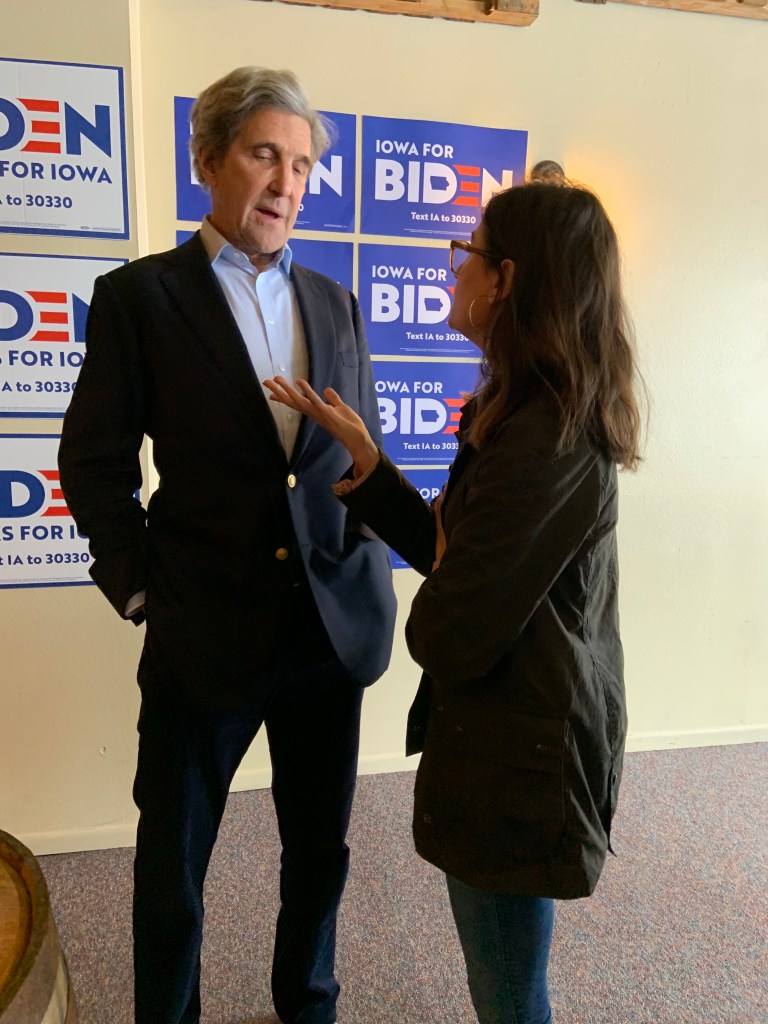
These meaningful relationships are formed during the election trail, and as politicians return year after year, the bonds strengthen. Today at an event with Secretary John Kerry, who was advocating on behalf of Biden, a woman walked up and tapped the former Secretary of State on the shoulder saying, “Hey you, Remember me? Mindy!” A full conversation emerged from this where families, recent life highlights, and even policy were discussed between these two old friends.

If only all Americans were given this opportunity to call such an influencial figure a friend, to have unlimited access to the campaigns, and to personally interview each candidate and their inner circle to earn their vote.The rest of America’s primary election system rely on limited access to the candidate through media sources, possible events, and a more general perception of the candidate. Whereas Iowa gets the opportunity to genuinely contemplate each candidate for who they are and what they represent.

It’s best put this way, Iowa is trying to bring forward the best candidate for the country, almost like a parent trying to set up their child. The only question left is will the country embrace a new change or will it cling to Trump, the boyfriend everyone knows brings you down.

Kara Chalifoux

Life on the Trail

By: Baylor Rodman

As a political junky, I have always aspired to find out what “the trail” is really like. You envision it in your head and sometimes see some of the candidate’s rallies broadcasted on TV, but I have come to realize it is much more intricate than it seems. On our first full day here, I traveled with three other members to cover New Jersey Senator Cory Booker’s Town-Hall event in North Liberty. We arrived on the scene and . began to set up our equipment. I looked around to find people with their press passes that said, “NBC,” “CBS,” “CNN,” and “Fox News,” and then it hit me that we were now playing with the big boys. The sirens in my head were screaming, “this is not a drill.”

One thing I noticed was as big as the outlets they are working for are, many can then be intimidated by that, and I’d come to quickly find out Iowans would much rather speak about their political ideas to student journalists. Why that is I first didn’t understand. These people have got to know that their stories are going to meet a much smaller audience when talking to me then if they talked to NBC. I quickly realized it’s not about that to them. They understand the importance of their vote, the importance of the process, and the importance of going first. These people are constantly bombarded by outlets looking to most important information in politics right now: who will they caucus for. For once they know they have something every person with a camera wants, and I think they are enlightened to share their views and keep the tradition alive with the next generation. The power of student media is strong on the trail, much stronger than I originally thought.

Moving on the candidates now, Booker had originally surprised me. He was much more authentic and charismatic than I would have thought. Faith seemed to be one of the most important topics to him, which also took-me by a bit of surprise. His opening speech was much more about love in politics and love of the nation, then it was about any sort of policy, even adding at one point, “if you’re looking for a guy with a bunch of policy talk today, I’m not the guy for you.” Well it seems people were, as his polling in Iowa released just two days later had him at 3 percent, and four days later we would awake with the news he had suspended his campaign. Bye bye Booker.

On our third day in literal middle America, we headed to Newton, Iowa to see Senator Bernie Sanders. If you only got one thing out of that rally, and you very well may have, it’s that his supporters are still extremely upset with the democratic nomination process in 2016. They felt their voices were silenced, and that the democratic national committee was unwilling to accept the revolution they were trying to create. One thing I now can’t wrap my mind around, is that if you are split between Bernie and Elizabeth Warren. They share the same issues, have significantly similar platforms, and yet one does a ten times better job outlining and visualizing those platforms than the other; but that’s a story for another time.

‘Press’ the candidates

By: Jack Norcross

Here in the United States it is the press that pushes the powerful for the answers, the truth and for clarity. As a journalist covering the candidates, I believe this is my role. Over the course of the past five days I have been to seven campaign events, and the organization and respect toward the press has varied greatly. We have come in contact with a variety of types of campaigns, some more friendly than others.

I believe that if you are running for president you should be ready to answer questions from the American people whether you are a voter, a member of the press or a concerned citizen. The questions candidates face from the press are nothing like the questions they will have to answer as president. Whether it is questions from top military commanders or foreign leaders, the campaign trail is the perfect opportunity to practice your messaging and spread your ideas to people beyond those in a room.

When out at events, I was so surprised to see how sheltered some candidates were from the press. For some, a physical barrier with numerous staffers buffered the candidates from not only the press, but also the voters. In contrast, other candidates were among the people with Iowa’s retail politics on full display.

With the help of Rich Landesberg, the ultimate supporter of holding people accountable, I tried to cut through the staffers who highly discouraged questions and go straight to the candidates, much to the staffers chagrin. I was completely surprised at how far some staffers went to protect their candidates from asking basic questions about why students should support their candidacy. The staffer blockade between the press and the candidate made no sense to me. If the candidate themselves is unable to ignore questions from the press and instead rely on nearly half a dozen staffers, then what is the point of the candidate interacting with the general public at all.

At one rally today I was fortunate to meet a reporter who was able to provide insight in to the campaigns strategy for keeping the candidate a distance away from the press. They said that the candidates right now are so fragile and so vulnerable to remain supported in the polls. The candidates have now reached these extremes to protect themselves.

Tomorrow as we head to the candidates biggest press event of the month, the CNN/Des Moines Register debate, I will be interested to interact with the candidates in this environment to see if they are surrounded by the same type of protection. These candidates are supposed to represent the American people, and by not having the ability to ask basic questions, the first amendment representing the press is tossed to the sidelines.

Reality TV President

By: Ian Weiss

I always thought that all I wanted out of a president was a nerd. A socially awkward, good at math nerd. However, in the current state of politics, I don’t think a nerd will ever be elected again. The truth is, a politicians electability relies on so much more than being an extremely diligent person who has carefully thought out policy proposals (nerd in my mind.)

While Obama and Trump are so different, I see a major similarity between the first black and first orange president. They would both make fantastic reality TV stars. It all started with John F. Kennedy. A man elected based on his charming looks and delicate tone over a nerd nobody can understand. Then we got Clinton, followed by Bush, then Obama and now Trump.

Imagine this was an episode of 90 Day Fiance or any stupid reality TV show where they throw a bunch of different personalities into a mansion and make them live together for an extended period of time. People get voted out the house, yada yada yada, here are our contestants: a suave man, Jeb Bush, Hillary Clinton and a dumb jock who makes you laugh every time he walks in the room.

As you root for the suave, thoughtful and collected man to win the whole show, you don’t want the stupid jock to lose week one and you couldn’t care less about the other two people. Which goes back to point I made when I first started writing, we don’t want a nerd we want a reality TV star. One that makes you want watch the State of the Union over South Park or Pirates of the Caribbean. Now, I’m not pleased Trumps in office, but I’ve never been a guy to dwell on a negative aspect I have no control over especially when there’s so much to be grateful for. I think one of Trump’s biggest selling points personality wise is the fact he’s funny, and if your not filtering everything he says through your selective perception, you can’t help but laugh.

After a meeting Sunday night, to say the least, the topic revolved around the fact many of our group had gone to see Mayor Pete Buttigieg for the first time. The overall consensus was that he didn’t seem presidential. And you wanna know people’s biggest qualm, he was “dull.” He went in one ear out the other. Now Warren, she was fun. She was spunky grandma with the energy of a preteen, pumping her first about and dancing with charisma and fun.

I had all this “pre-fuss” in my mind before attending Pete Monday morning and I really wanted to give him an honest shake down. I had three questions in mind: is he charismatic/personable enough to my standard, does he have an overarching message I can get behind and lastly, does he focus on good, relevant topics.

He came out with an overarching message that had me on the hook. It was simply uniting America under patriotism. That checks one of the boxes. While he was very “presidential” in the way he spoke, I felt he was very personable and certainly not dull. However I could’ve just been hooked on his message. His policy, which he touched on lightly, was an afterthought. I realized then I only really cared about his “bigger picture theme” and his persona on stage. Which made me reflect on one of the Global Engagement Goals. Where does my own personal biases come into play. How am I judging this candidate, and I mean this is my vote.

I’m looking at two things. Is he charismatic enough to get the crowd and myself rippin’ rayin’ and hayin’, and does he have that overarching message I resonate with. After those two boxes were checked, everything coming out of his mouth sounded like pure gold. What should we rank a candidate on, why does personality matter, wouldn’t some qualities be enough to outshine others?

We all share the same pain of ignorance, while it may be so easy to point out someone else’s wrong, where do we know when we’re wrong. While I thought I just wanted a smart “nerd” I actually wanted an artist with their words. I don’t think there will ever be another bland president of the United States ever again, we want reality TV star.

Design a site like this with WordPress.com
Get started